
I made a LitRPG music video at home for $0 (well, almost)
A 4.5-minute music video starring Carl & Donut, Jake, Zac and Jason, made with open models on one RTX 4090, with Claude running the production. My job: pick the song and say things like “Zac’s axe is floating.”
I made a 4.5-minute music video as a love letter to the LitRPG books I binge.
Honestly, I just think experimenting with AI is exciting. I’d seen several cool videos on X made with Opus 5.5 productions, and I wanted to see what I could pull off in a nerdy little niche like LitRPG. Plus I’m a fan of those books, and they’re basically like reading a video game.
It has Carl & Donut, Jake, Zac and Jason, plus cameos from Cradle, Solo Leveling and more. Everything was made with open models on one RTX 4090 at home, and Claude ran the production. The only cost was my Claude subscription.
1/ I made a 4.5-minute music video as a love letter to the #LitRPG books I binge.
— Sigurd (@SigurdJorsalfar) Watch the video on X →
The whole thing, made on one RTX 4090 at home.
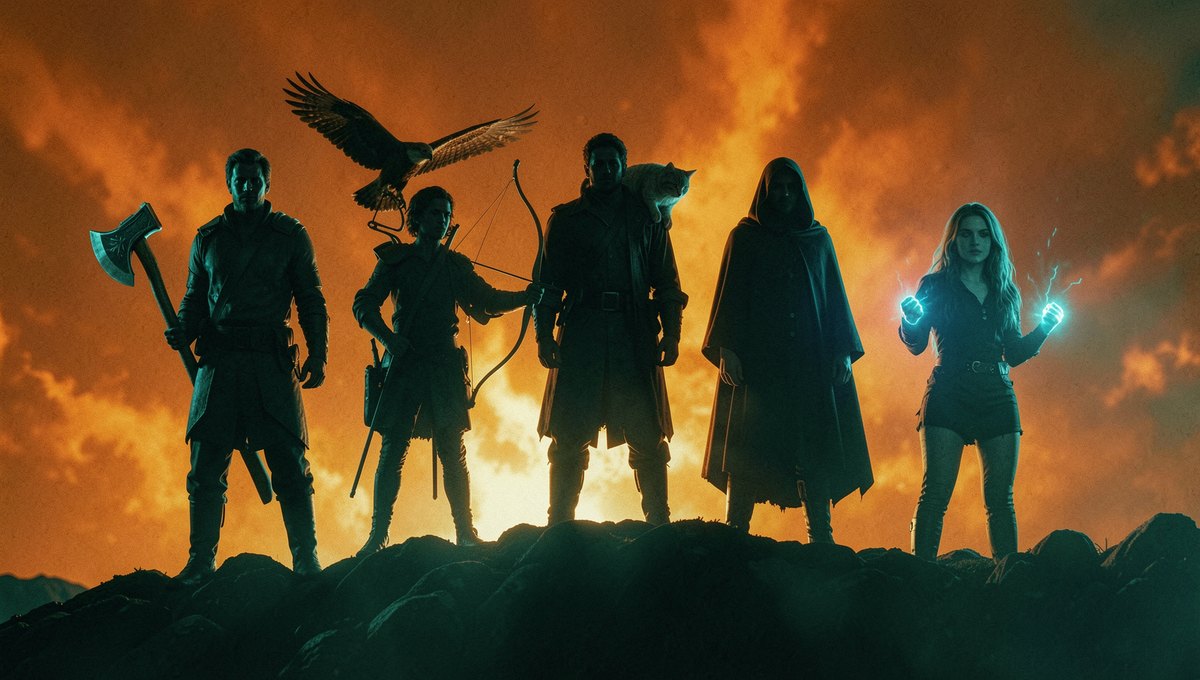
Who’s In It
- 🐈 Carl, Princess Donut & Mongo: Dungeon Crawler Carl by Matt Dinniman
- 🏹 Jake & Sylphie: The Primal Hunter by Zogarth
- 🪓 Zac: Defiance of the Fall by J.F. Brink
- 🌌 Jason, Shade & Colin: He Who Fights With Monsters by Shirtaloon
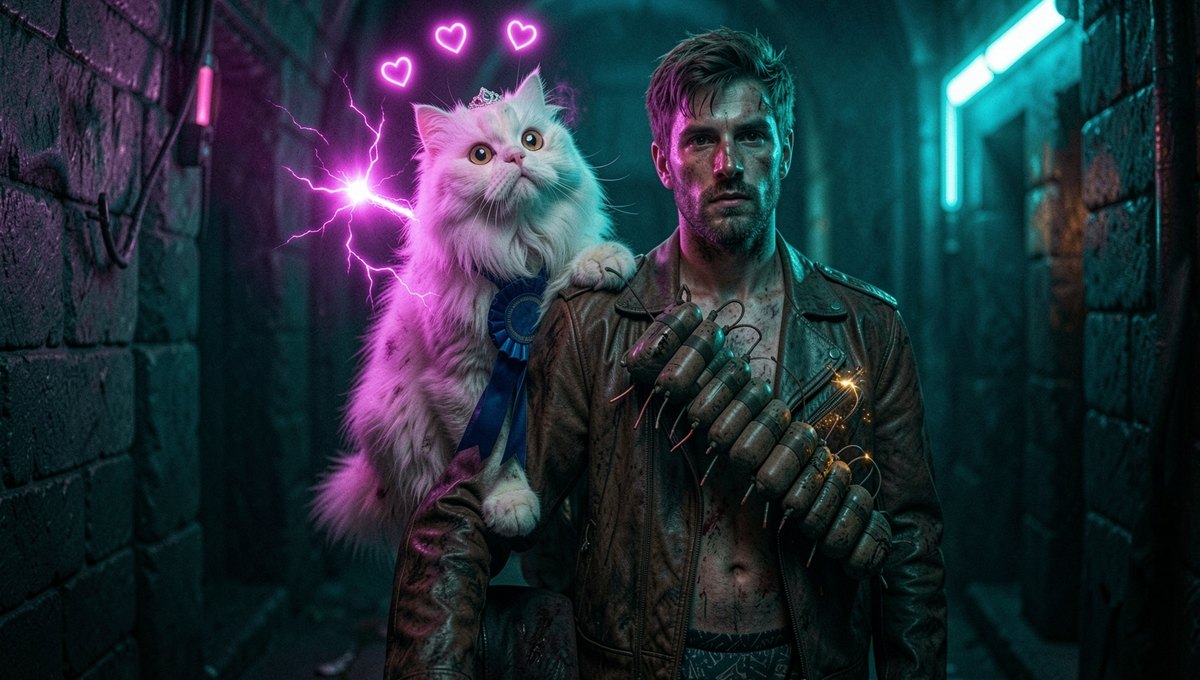
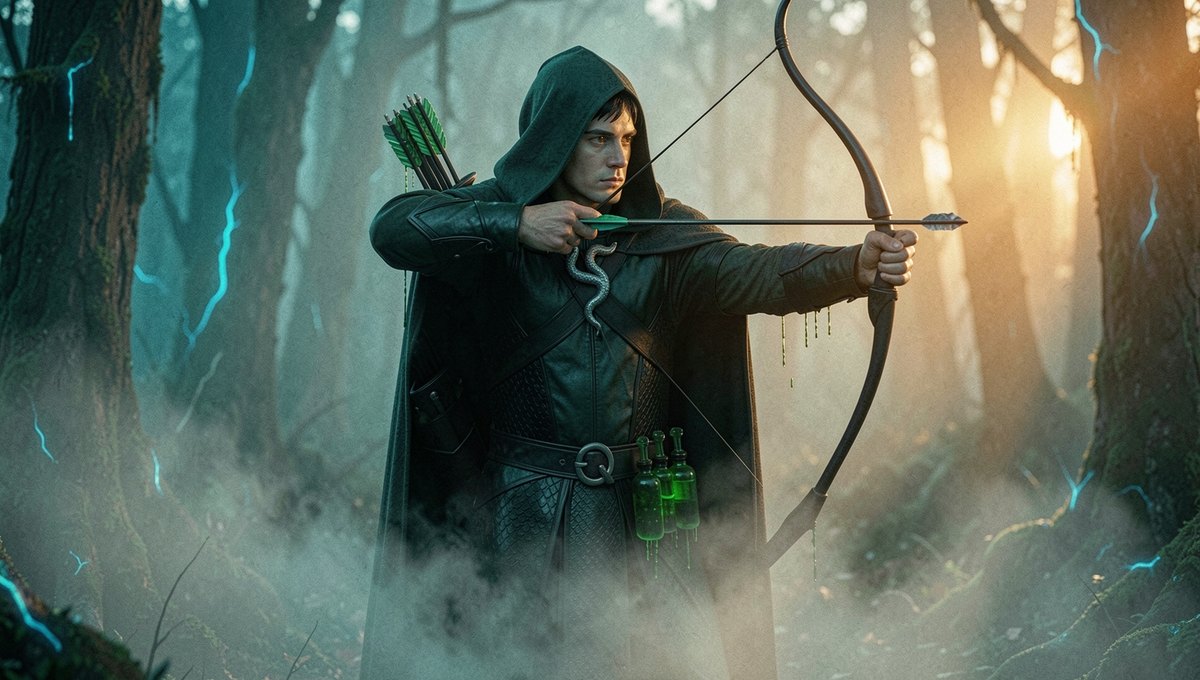
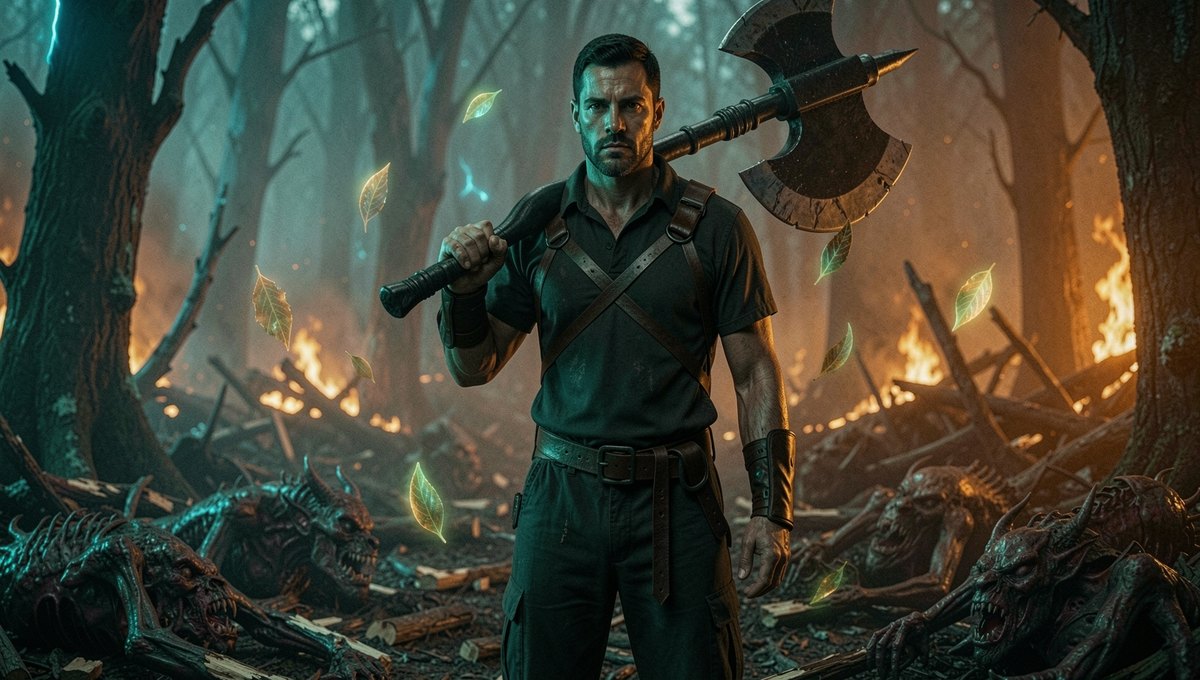
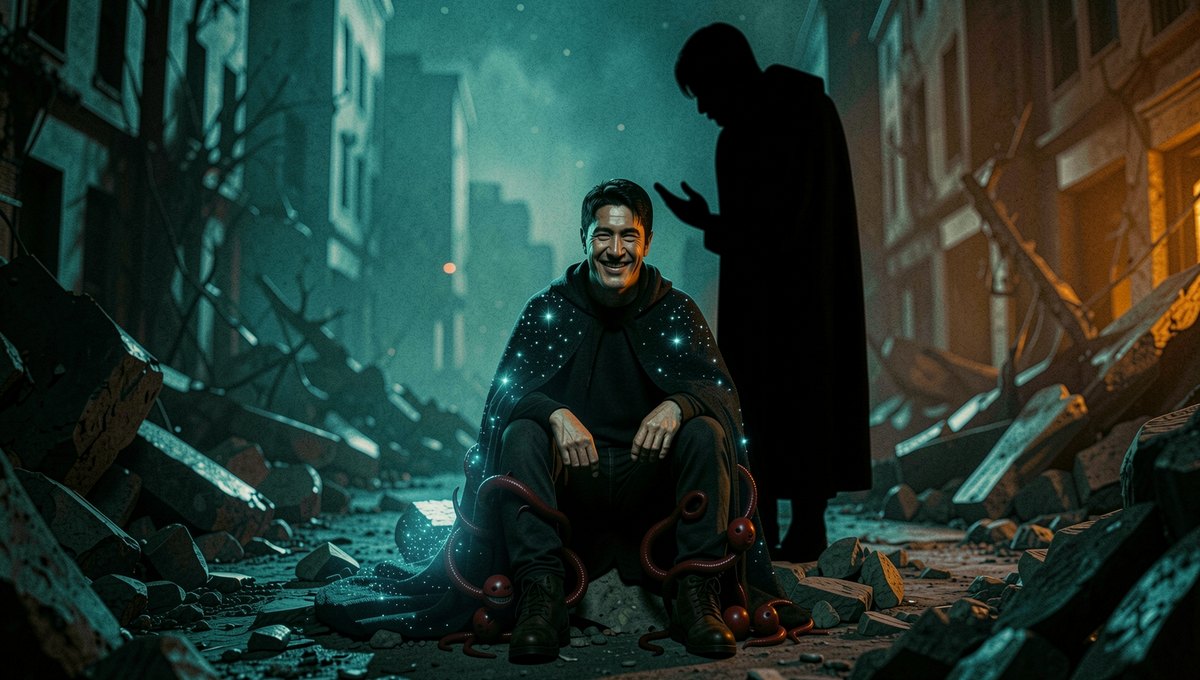
Plus cameos from Erin (The Wandering Inn), Lindon (Cradle), Jinwoo (Solo Leveling), Ilea (Azarinth Healer), Anthony (Chrysalis) and Rain (Delve).
The Stack
All open-weight, and all running locally in ComfyUI:
- 🎵 ACE-Step 1.5: the song
- 🖼️ Flux.2 Klein: 533 stills
- 🎬 Wan 2.2: 120 clips
- 👄 LTX-2.3 + InfiniteTalk: lip-sync
- 🔍 SeedVR2: 1080p upscale
Tech stack
ComfyUI · ACE-Step 1.5 · Flux.2 Klein · Wan 2.2 · LTX-2.3 · InfiniteTalk · SeedVR2 · Claude Code · RTX 4090

One of the 533 stills: the alien audience.
How It Worked
I wrote the concept and lyrics together with Claude. After that, Claude Code ran about 10 stages on its own.
It made 16 song takes for me to pick from, then built the characters, the stills and the clips. Subagents reviewed every shot, it redid the ones that failed, and then it mixed and mastered the result.
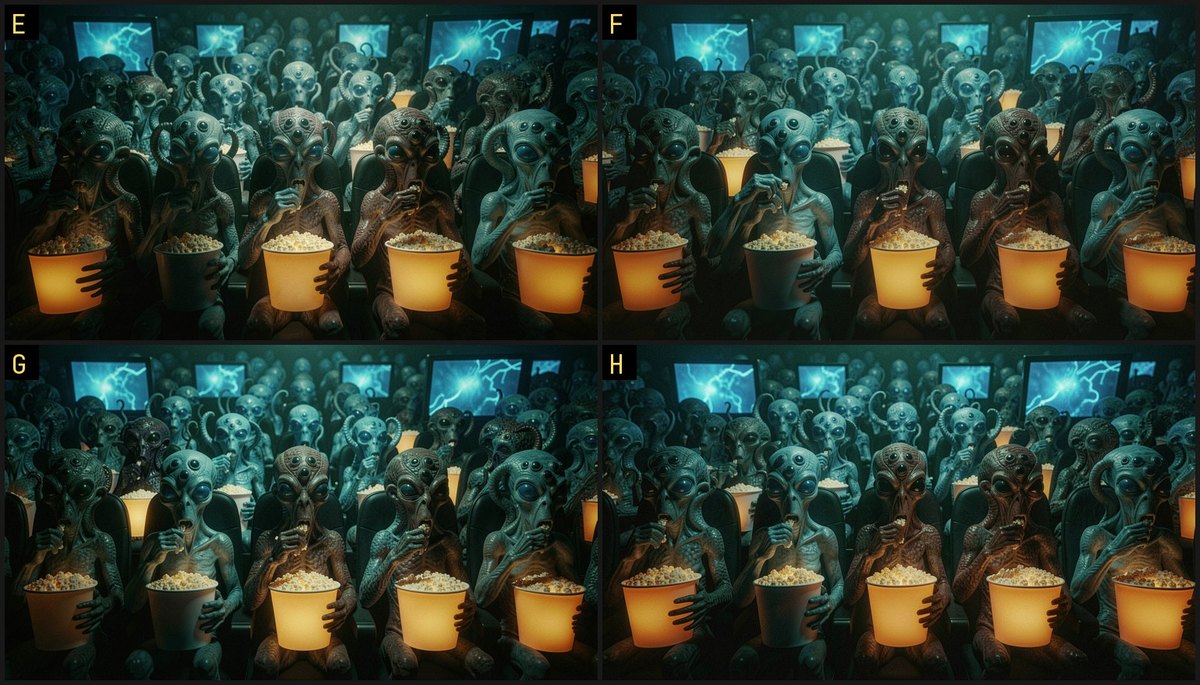
Four options per shot, and a subagent picks or rejects them.
The stages, for the curious (eleven if you count from zero, like a programmer):
- Preflight: check the GPU, ComfyUI, models and disk, install what’s missing, smoke-test every workflow
- Song: 16 ACE-Step takes, then repaint the weak sections of the best one
- Stems and timing: separate stems, align the lyrics word by word, build a beat grid and a shot list
- Voices and SFX: design the voices once, generate takes for every line, make the sound effects
- Mix and master
- Looks: 8 candidates per character, pick one, build a multi-view sheet
- Stills: 4 candidates per shot
- Clips: image-to-video per shot, interpolated to 24 fps
- Lip-sync: the singing and speaking shots
- Overlays: the blue System boxes and counters
- Edit and finish: assemble, composite, grade, upscale
My Job
My job was to pick the song and give notes like:
- “Zac’s axe is floating”
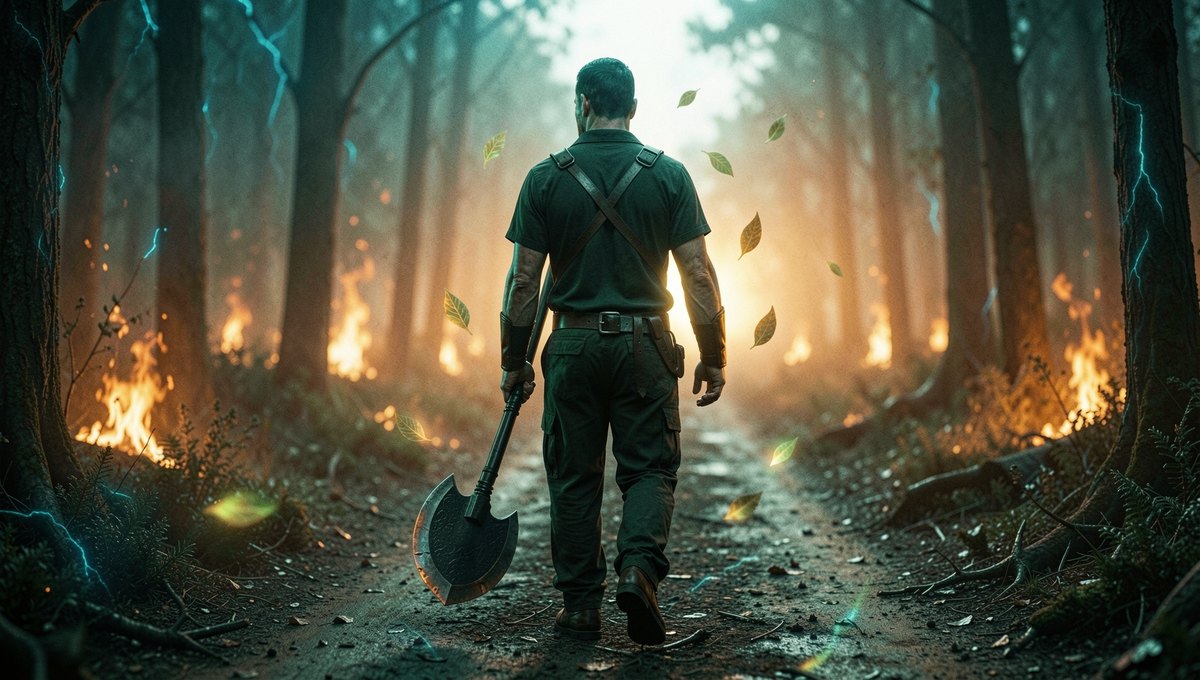
After the note: Zac actually holds his axe now.
- “the ending feels weird”
It took 3 rounds and about 24 hours from start to finish, mostly unattended overnight.
Reviews at home have been mixed. My wife is not particularly impressed. I, on the other hand, think it’s awesome. I’m hoping it gets a bit of attention on X, but honestly this one is mostly for me, to see what I can actually pull off with the technology.
What It Cost
- Cloud/API: $0
- Software: $0 (open source)
- Hardware: a gaming GPU I already had
- Claude: my existing subscription
What I Learned
The hardest part was balancing Claude token usage within the 5-hour usage window. Claude offloaded the heavy lifting to the local models, but it still had to stop and wait for fresh tokens several times. Even the AI has to sit around waiting for its allowance.
My own hardest job? Reviewing the drafts a few times and giving concrete notes. Tough life, I know.
Where This Could Go
This could carry over to other things, maybe even my job as a teacher. Some students need visual input in addition to the text, and that goes straight into special education. Two ideas I might actually try:
- See the scene: show students a scene from the book they’re reading as stills or a short clip, before or after reading. That could help the ones who struggle to form mental images.
- Write it, then watch it: students write a short text and the pipeline turns it into images or a small video. That gives them a real reason to write clearly and concretely.
No promises, but I’m tempted.
I’ve saved the whole workflow as a reusable skill in Claude, and I want to run it again, maybe in an anime style or with a different song. We’ll see where it goes.